
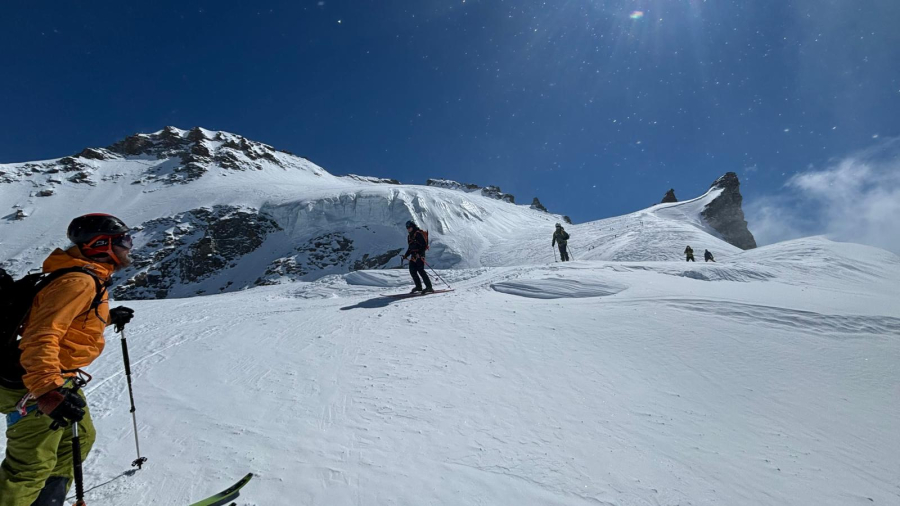
Freeride skiing offers a level of freedom, intensity, and connection to the mountain that no groomed run can match. But the moment you leave the secured boundaries of a ski resort, you also leave behind avalanche control, marked hazards, and immediate rescue infrastructure. In the backcountry, every decision carries weight. Safety is no longer provided by the resort, it becomes your personal responsibility. Understanding the right gear, the right habits, and the right mindset is what separates calculated freeride from reckless exposure.
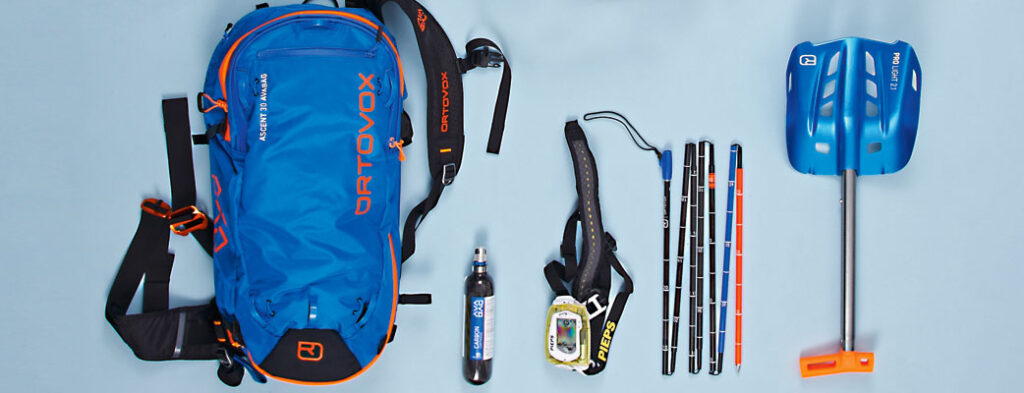
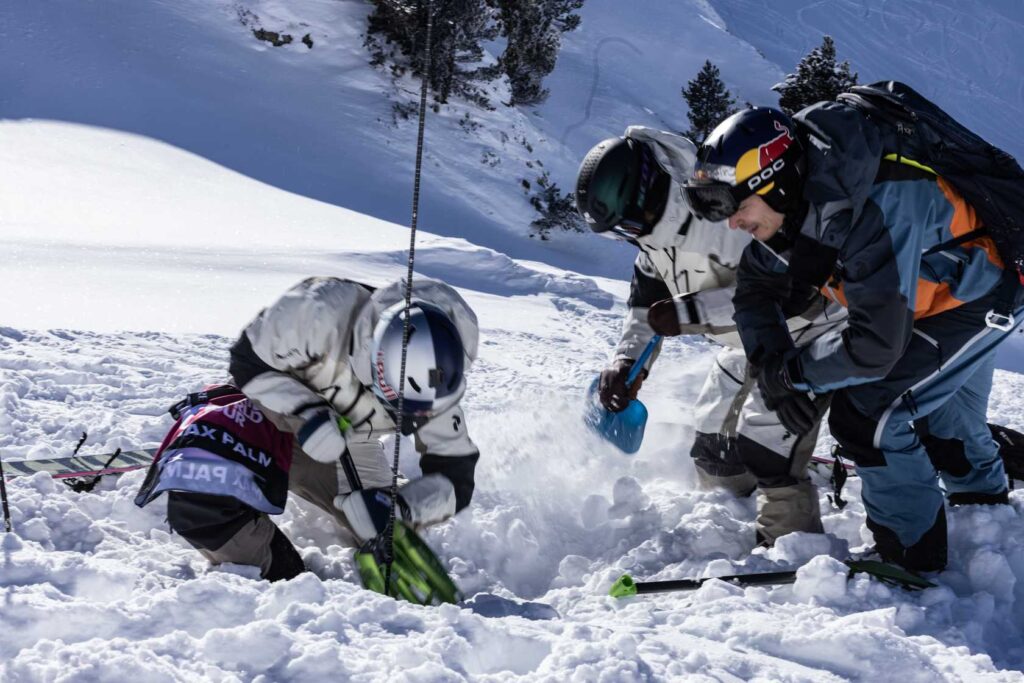
The foundation of freeride safety starts with essential avalanche equipment. Every skier must carry a transceiver, shovel, and probe, and—just as important—know how to use them instinctively. In an avalanche scenario, rescue within the first 15 minutes is often the difference between life and death. Regular training and realistic practice are not optional; they are a requirement. Many serious freeriders also use avalanche airbag backpacks, which significantly increase the chances of staying on the snow surface. A helmet, first-aid kit, emergency blanket, and a fully charged communication device should also be considered standard.
However, gear alone does not create safety. True freeride security comes from knowledge and judgment. Before every outing, skiers must consult the avalanche bulletin, analyze recent snowfall, wind, and temperature changes, and adapt their terrain choices to current conditions. Snow stability can change rapidly, and a slope that felt safe one day can become extremely dangerous the next. Group management is another key rule. Never ski alone in the backcountry. Ski one at a time in exposed zones, maintain visual contact, and regroup only in safe areas outside avalanche paths. If an accident occurs, the group’s organization and reaction speed determine the outcome.
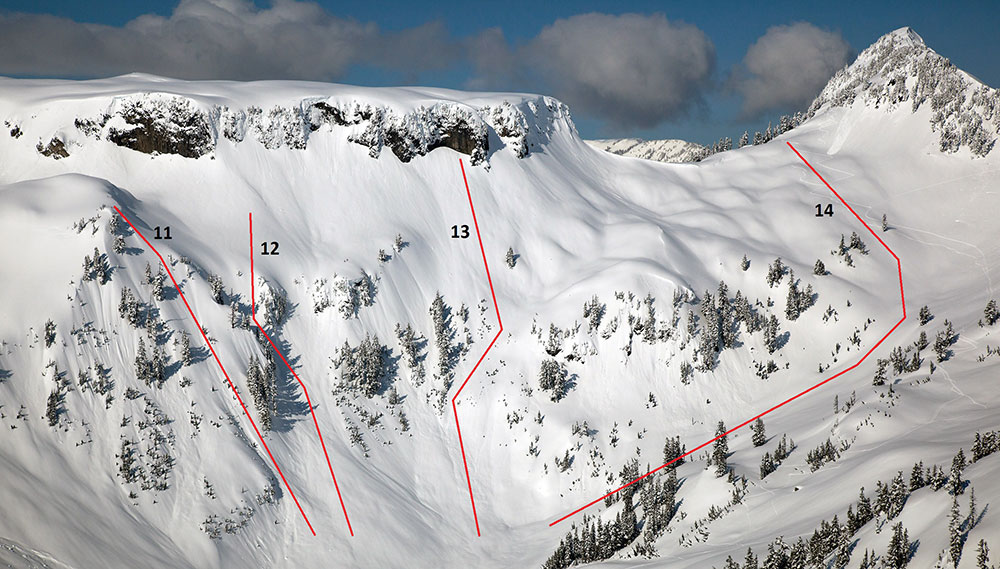
Route selection is equally decisive. Freeride lines must be chosen not only for their beauty, but for their terrain traps, escape options, and runout zones. Gullies, cliffs, and narrow couloirs greatly increase the consequences of any avalanche. The strongest freeriders are often those who know when not to ski a line. Finally, the most dangerous factor in freeride is overconfidence. Strong technical skills do not protect against avalanches. Snow does not care about experience. Humility, patience, and the ability to turn back are essential safety tools. In freeride, freedom is real but it must always be guided by respect for the mountain.

Leave a Reply